Pipes are the unsung heroes of any home, carrying water to our kitchens and bathrooms while silently supporting our daily routines. However, many homeowners overlook the importance of proper pipe maintenance until problems arise. Understanding how to extend the life of your plumbing system is crucial not only for avoiding costly repairs but also for ensuring your home operates efficiently. By implementing a few proactive measures, you can keep your pipes in good condition for years to come.
The Importance of Regular Maintenance
Just like any other part of your home, your plumbing system requires regular attention. Over time, factors such as corrosion, sediment buildup, and temperature fluctuations can cause wear and tear on pipes. Conducting routine inspections allows you to catch potential issues before they escalate into major problems. A licensed plumber can help identify signs of deterioration or leaks early on, saving you money on emergency plumbing services later.
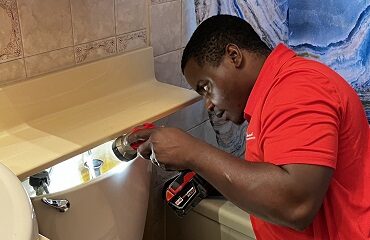
A significant aspect of maintenance is understanding the materials used in your plumbing system. Older homes may have galvanized steel or lead pipes that are more susceptible to rust and corrosion. In Visit website contrast, modern homes typically use PVC or copper piping that can withstand harsh conditions better. Knowing the type of pipes in your home will guide you in selecting appropriate maintenance strategies.
Preventive Measures for Pipe Longevity
Taking preventive measures is key to extending the life of your pipes. Here are some practical strategies:
Regular Inspections: Schedule routine check-ups with a residential plumber who can assess the integrity of your plumbing system. Watch Water Pressure: High water pressure can strain pipes and lead to leaks over time. A pressure regulator can help maintain optimal levels. Avoid Chemical Drain Cleaners: While they may offer temporary relief from clogs, chemical cleaners can corrode pipes and create further issues down the line. Insulate Pipes: In colder climates, insulating exposed pipes helps prevent freezing and subsequent bursting during winter months. Know Your System: Familiarize yourself with shut-off valves and main water lines so you're prepared for emergencies.Engaging in these practices not only prolongs pipe life but also enhances overall plumbing efficiency.
Addressing Common Pipe Issues
Even with diligent care, issues may still arise within your plumbing system. Knowing how to address common problems will empower you to take action swiftly before they worsen.
Leaks
Leaks are one of the most common issues homeowners face. They can occur due to aging pipes or poor installation techniques. If you notice damp spots on walls or ceilings or hear dripping sounds when everything else is quiet, investigate immediately.
In many cases, minor leaks can be repaired with simple sealing techniques or by replacing small sections of pipe. For more extensive leaks, especially those hidden behind walls or under floors, contact a professional for leak repair services.
Clogs
Frequent clogs signal deeper issues within your drainage system. Hair, grease buildup, and foreign objects are often culprits that contribute to blockages. Regular drain cleaning should be part of your maintenance routine; this could involve using a plunger or a snake tool for minor clogs.
For persistent problems related to sewer lines—such as backups—professional rooter services may be necessary to clear out stubborn blockages effectively.
Corrosion
Older metal pipes are prone to corrosion, which compromises their structural integrity over time. If you notice discoloration in your water or experience changes in pressure, it may indicate corrosion has set in.
In cases where corrosion is severe, pipe replacement might be necessary—even if trenchless pipe repair methods allow for less intrusive replacement without digging up yards or driveways.
When to Call a Professional Plumber
While basic maintenance tasks can often be performed by homeowners themselves, there comes a time when professional intervention is necessary. Emergency situations—such as sudden bursts or major leaks—require immediate assistance from a 24-hour plumber equipped to handle urgent repairs.
Furthermore, if you encounter persistent problems despite regular maintenance efforts or lack the tools needed for repairs like hot water tank installation or boiler maintenance, do not hesitate to call an expert licensed plumber who can provide tailored solutions based on their experience and knowledge.
Upgrading Your Plumbing System
As technology advances, new materials and methods emerge that enhance plumbing systems' durability and efficiency. Consider upgrading older components whenever feasible; this includes replacing aging pipes with modern alternatives like PEX (cross-linked polyethylene) that resist scale buildup and withstand fluctuating temperatures better than traditional materials.
Investing in high-efficiency fixtures such as low-flow toilets and faucets will also reduce wear on your plumbing system while conserving water—a win-win scenario for both sustainability efforts and household budgets alike.
Understanding Seasonal Effects on Plumbing
Seasonal changes impact piping systems significantly; shifts in temperature require special attention from homeowners looking to maintain their plumbing integrity year-round.
Winter Preparations
During winter months when temperatures plummet below freezing levels:
- Ensure all exterior faucets are insulated. Disconnect hoses from outdoor spigots. Keep indoor temperatures stable at all times—even when away from home—to prevent freezing water inside pipes leading into walls.
Failure to prepare adequately could result in burst pipes requiring immediate emergency repair services once thawed out come springtime.
Summer Considerations
Hot weather brings its own challenges; increased usage during summer months leads many homeowners towards higher consumption rates compared with colder seasons when outdoor activities dwindle considerably:
- Monitor irrigation systems carefully since mismanaged watering schedules could strain existing irrigation lines already susceptible due environmental stressors over time. Inspect sprinkler heads regularly—clogs here could disrupt flow patterns across yards leading potential flooding scenarios elsewhere downstream if left unchecked too long!
Actively managing these seasonal concerns ensures smooth operations throughout all twelve months!
Conclusion: Long-Term Planning Pays Off
Extending the lifespan of your home's piping system is not merely about immediate fixes but rather a commitment toward long-term planning for future resilience against unforeseen challenges ahead! By prioritizing preventive measures alongside timely professional interventions whenever necessary from trusted experts like experienced plumbers specializing specifically within residential settings—you'll enjoy peace-of-mind knowing you've taken actionable steps towards preserving one vital aspect within any household’s infrastructure successfully!